
-
Creating space
At yoga, I hear the teachers say create space! My Thai teacher Diego, discussed creating space, when he was talking about the sen (energy) lines; opening the wind gate, which means releasing blockages along the body’s energetic pathways. This idea connects closely with the concept of qi in Chinese medicine — the vital life force that flows through the body.
As gravity pulls on our structure and through repetitive strain it can cause tissues to become compressed and is often contributed to pain or stiffness.
That is why creating space is important. Massage can facilitate this by generating movement within the tissues, around the joints and increase the blood and lymphatic circulation.
-
Celebrating 3 years
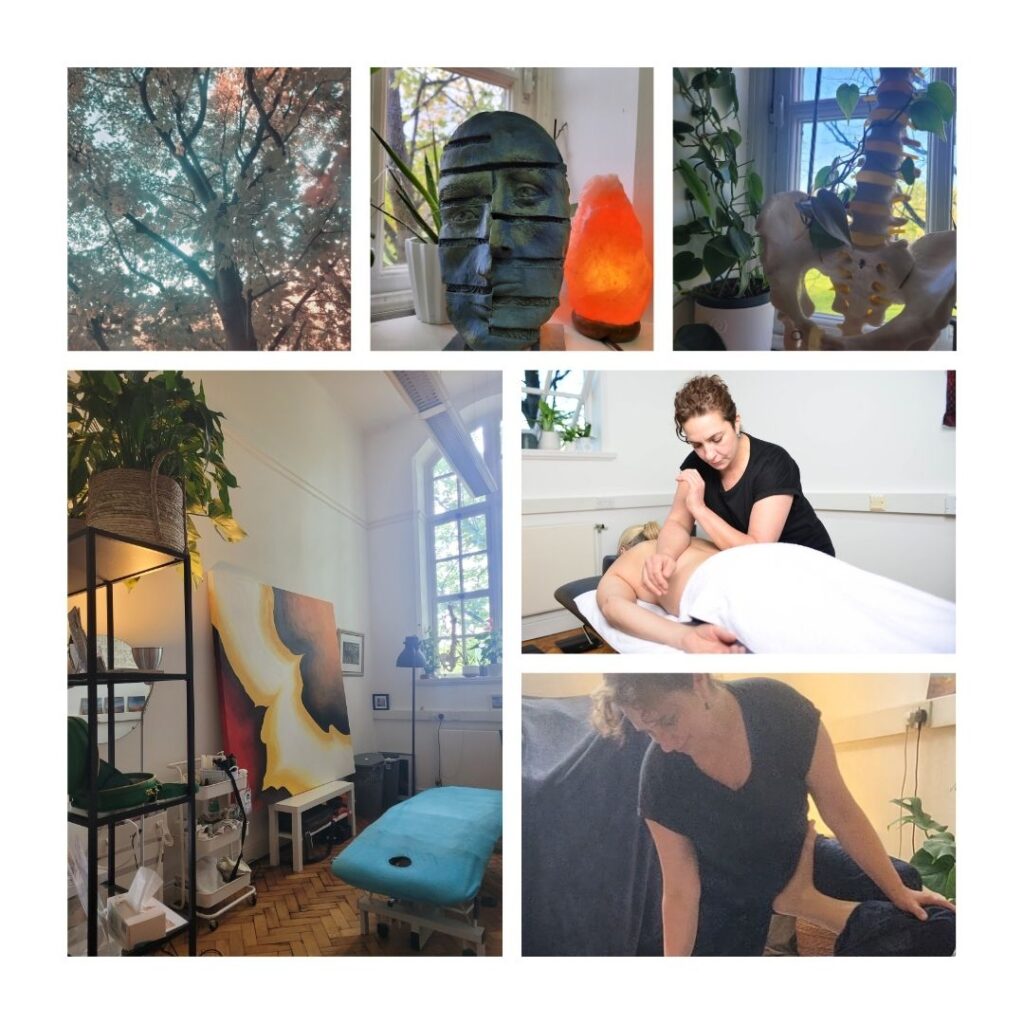
I have been a massage therapist since 2017. So after renting rooms where I couldn’t make my own and never having a window to look to or even open, I finally found this beautiful space 3 years ago. The studio is in the heart of the Ouseburn valley and is my pride and joy. The grade II building has some beautiful features, such as, high ceilings, parquet floor and windows with a view to a sycamore tree and the green.
I appreciate all the clients who have come to see me at the studio in the last years.
To celebrate, I am offering £10 during the month of September on Thai Fusion treatments. Use code 3YEARS to redeem it.
-
The Flexors
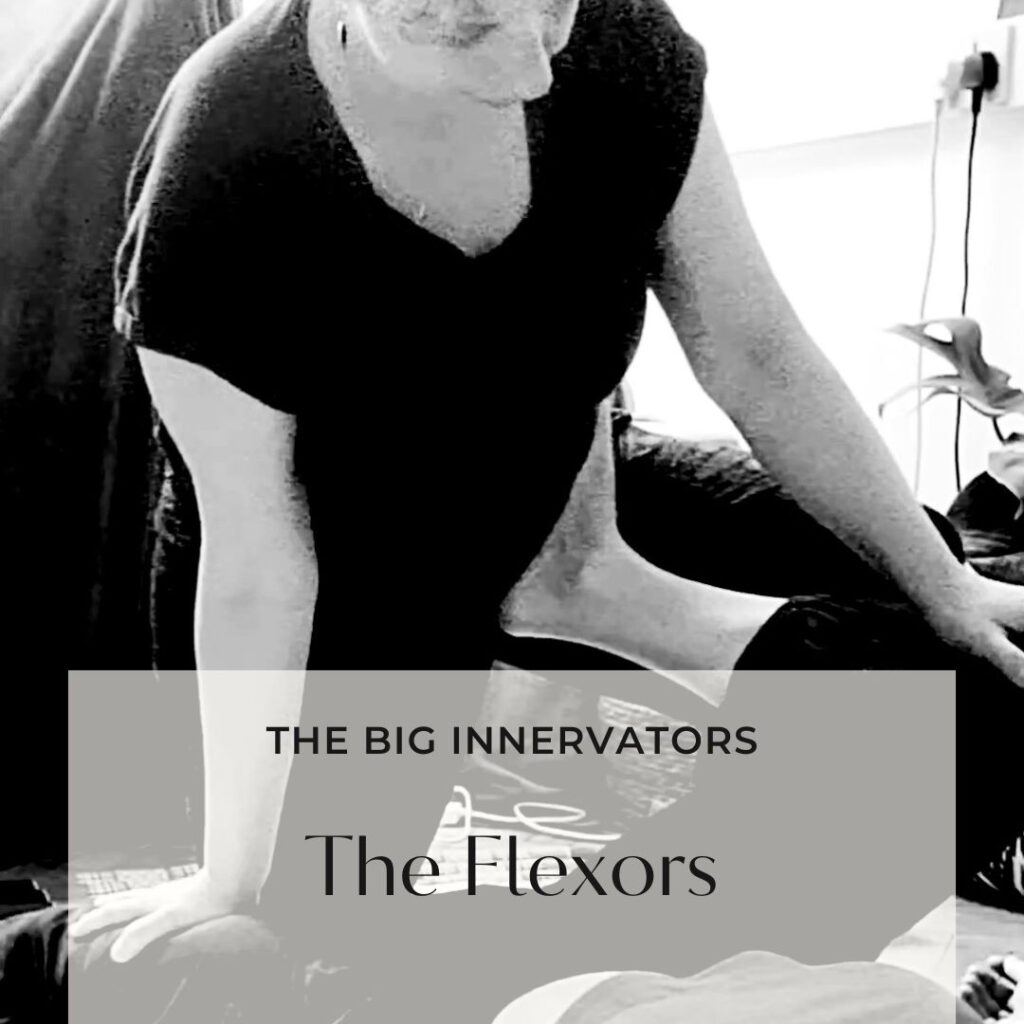
Our flexor muscles—such as the biceps, pectorals, and hip flexors—are predominantly composed of slow-twitch (Type I) fibers. These muscles are built for endurance, can handle continuous load, and play a significant role in supporting the body against gravity. Neurologically, the flexor muscles tend to be activated earlier than their opposing extensors, making them more innervated and neurologically dominant.
While both flexor and extensor muscle groups develop simultaneously during embryonic growth, the fetal position in the womb favors flexion. This curled posture enhances neural development and tone in the flexors, embedding a neurological preference that often carries into postnatal life.
As a result, flexor muscles tend to be overactive, short, and tight—contributing to postural imbalances. In contrast, extensor muscles like the rhomboids, spinal erectors, and glutes are often underutilized and require conscious activation and strengthening to restore balance.
In therapy, we focus on releasing the overactive flexors and activating the underused extensors. For example, engaging the rhomboids helps open the chest, and strengthening the lower back muscles supports spinal extension.
To release the tight hold of flexor muscles, I employ techniques such as Muscle Energy Technique (MET) and joint oscillation. These methods help re-educate the nervous system, providing new proprioceptive input that encourages the muscle to relax and find a new, balanced resting tone.