Author: wp-ouseburnmassageuk

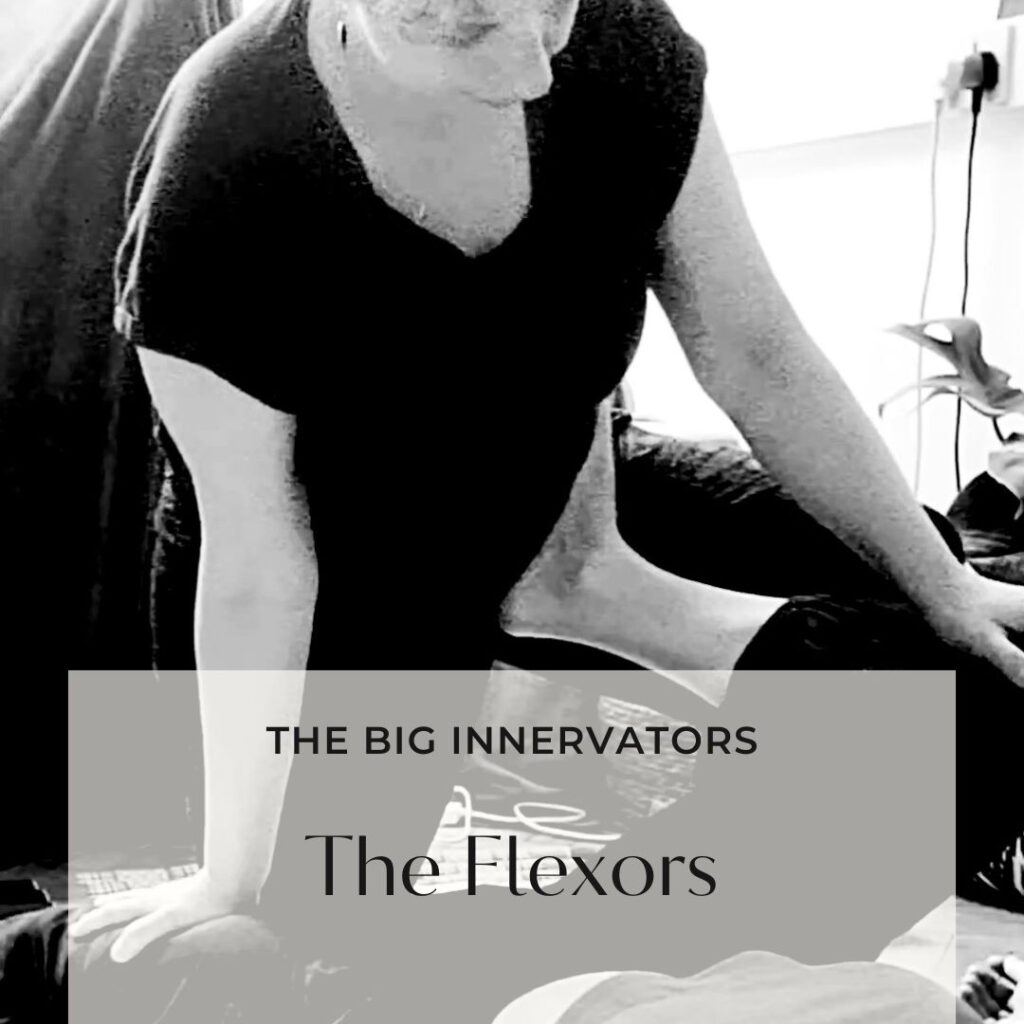
  • The Flexors

    Our flexor muscles—such as the biceps, pectorals, and hip flexors—are predominantly composed of slow-twitch (Type I) fibers. These muscles are built for endurance, can handle continuous load, and play a significant role in supporting the body against gravity. Neurologically, the flexor muscles tend to be activated earlier than their opposing extensors, making them more innervated and neurologically dominant.

    While both flexor and extensor muscle groups develop simultaneously during embryonic growth, the fetal position in the womb favors flexion. This curled posture enhances neural development and tone in the flexors, embedding a neurological preference that often carries into postnatal life.

    As a result, flexor muscles tend to be overactive, short, and tight—contributing to postural imbalances. In contrast, extensor muscles like the rhomboids, spinal erectors, and glutes are often underutilized and require conscious activation and strengthening to restore balance.

    In therapy, we focus on releasing the overactive flexors and activating the underused extensors. For example, engaging the rhomboids helps open the chest, and strengthening the lower back muscles supports spinal extension.

    To release the tight hold of flexor muscles, I employ techniques such as Muscle Energy Technique (MET) and joint oscillation. These methods help re-educate the nervous system, providing new proprioceptive input that encourages the muscle to relax and find a new, balanced resting tone.
  • Facial Rejuvenation

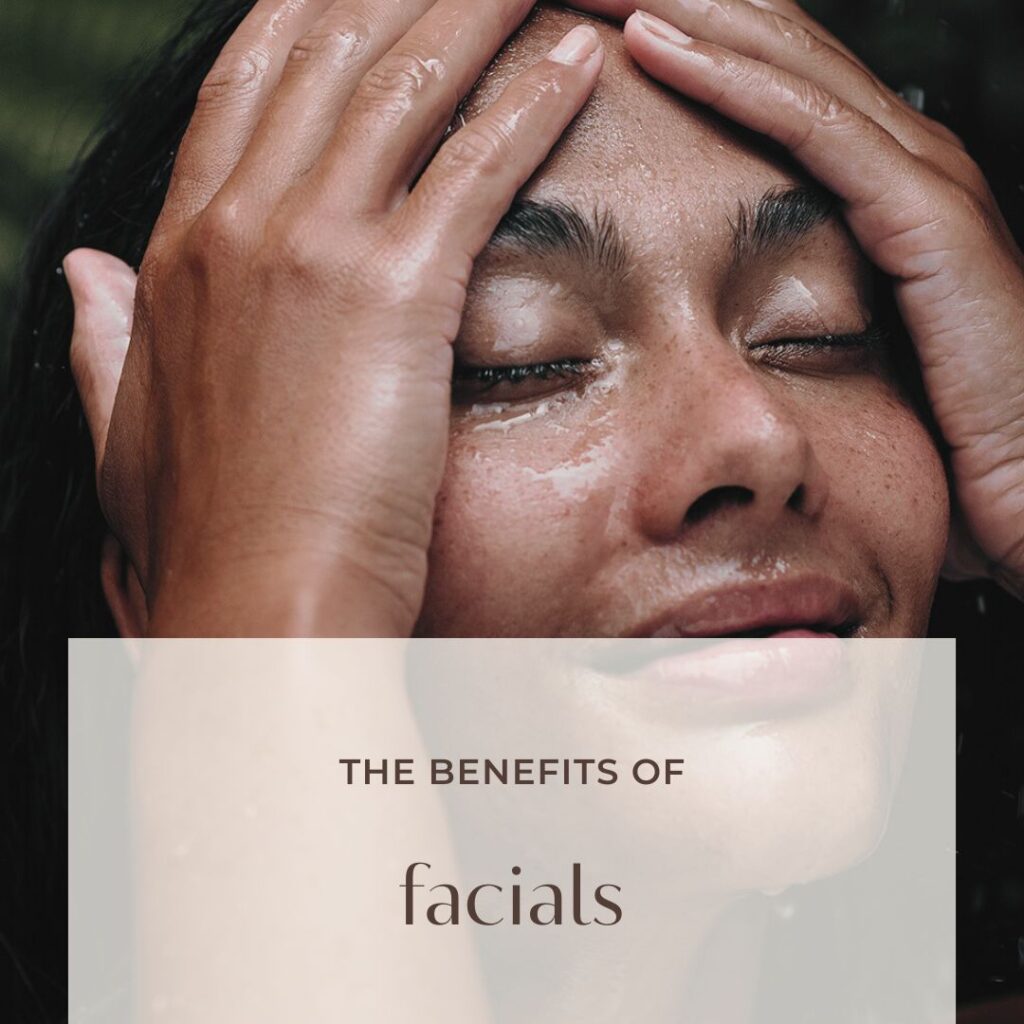
    We hold so much tension on our face. I come across a lot of jaw clenching and teeth grinding. It can lead to a variety of symptoms, including headaches, jaw pain, and damage to teeth.

    Facials can relieve such symptoms and are just so relaxing. You can lose yourself with all the unexpected sensations. Not only that but its hugely beneficial too. Here is why.

    • Stimulating specific pressure points can alleviate stress, headaches and sinus congestion.
    • Relieves Muscle tension– many of us tense our face. Especially in the jaw, forehead and around the eyes. I see many clients who suffer from jaw clenching and teeth griniding- which can cause headaches.
    • Nerve endings– stimulating the nerves can release tension and promote relaxation.
    • Improves circulation and boosts collagen– delivering oxygen and nutrients to the skin stiumaltes fibroblast activity, they are the cells that produce collagen and elasticin- creating a firmer more youthful skin.

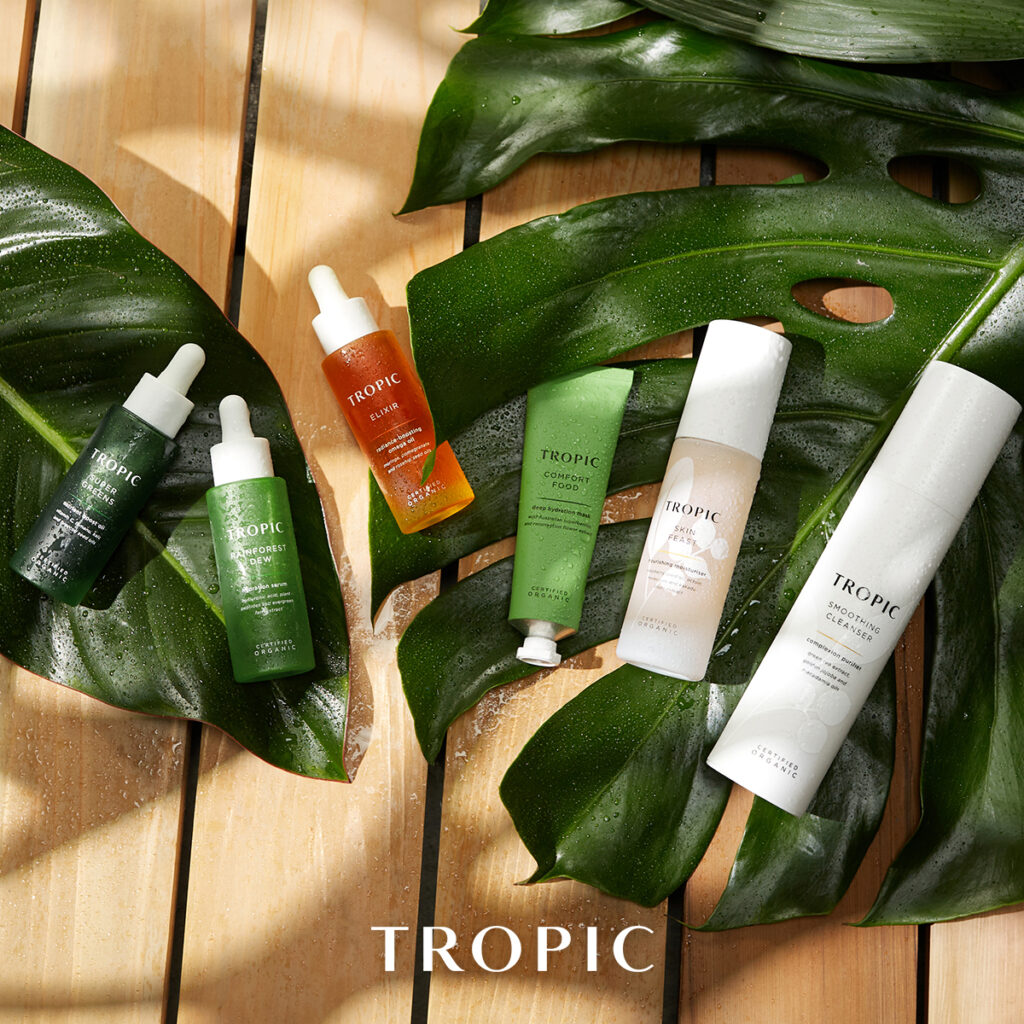
    Ellie uses Tropic skincare to make sure you get the best 100% safe, natural and vegan products. Tropic also has a wode range for all skin types.

    You can receive a FREE skin analysis and a bespoke skincare routine based on your unique results.

    Get your results in your mailbox!

  • Doing the twist

    During my massage treatments, I incorporate a Thai Osteo spinal twisting with movement. Twisting can have various effects on the body.

    Improved Mobility: Twisting poses can enhance spinal mobility and flexibility, encouraging the small postural muscles of the spine to lengthen and contract. 

    • Relief of Low Back Pain: Spinal twists can improve range of movement and circulation, potentially relieving low back pain. 
    • Digestive Health: The movement can help massage and squeeze digestive organs, potentially aiding in waste removal and digestion. 
    • Mind-Body Connection: Twisting poses, combined with focus on breath, can promote relaxation and mindfulness. 
    • Nourishment of Spinal Disks: Twisting can provide added blood flow to the spine, benefiting the spinal disks. 


    Other advantages:
    Digestive Benefits: Some people find that twisting poses help manage bloating and constipation by stimulating the GI system. 
    Emotional Release: Spinal twists can provide an emotional release, similar to the physical benefits. 

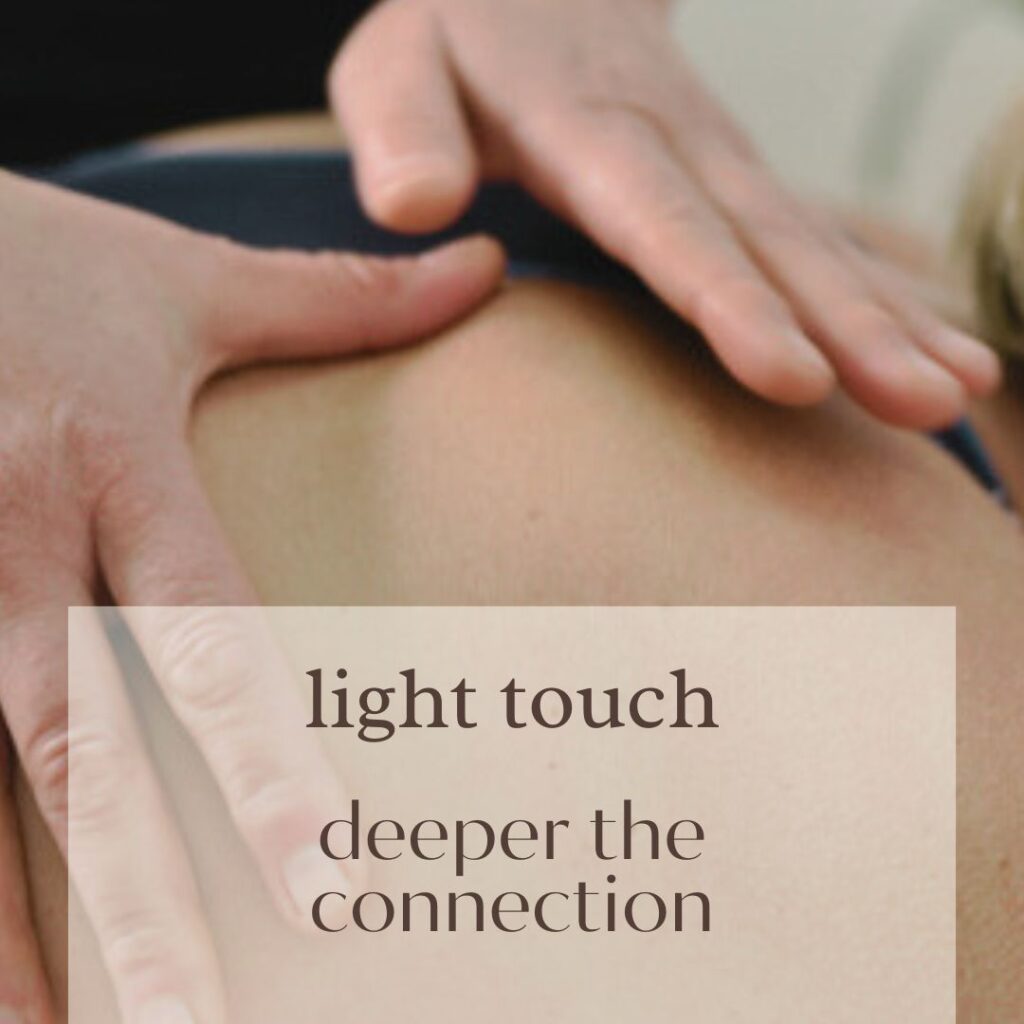
  • A light touch

    A more mindful approach in massage, allows for a deeper listening, more awareness of slight changes and to be fully present and attentive.

    Some modalities have encouraged this listening more then others. When I first was aware of this was with Susan Findlay on her Oncology course, touch felt more powerful when it was gentle and with intention. Recently on the introduction to Cranial Sacral Upledger. We listened to a rhythm I didn’t know existed the production, circulation and reabsorption of the Cerebrospinal fluid (CSF) a rhythm of its own, aprox. 6-12 movements per minute. Tuning into this facilitates the receiver’s own self corrective process.

    Thai Osteo Massage, as I discovered last year at the massage festival (where I return this year in June 25) the teachings approach was also intuitive, gentle and responsive to the reciever. While Thai Massage often has a reputation for being painful—like someone being walked on and pulled around with brute—Thai Osteo Flow / Dynamic Yoga incorporates dynamic movement but always stays attuned to the receiver’s comfort and feedback. This skillful balance makes it a truly unique and effective practice.

    Once a dialogue has been established with your inner physician, the process of deep self healing can begin.

    #upledger #susanfindlay #lighttouchmassage


  • Osteo skills

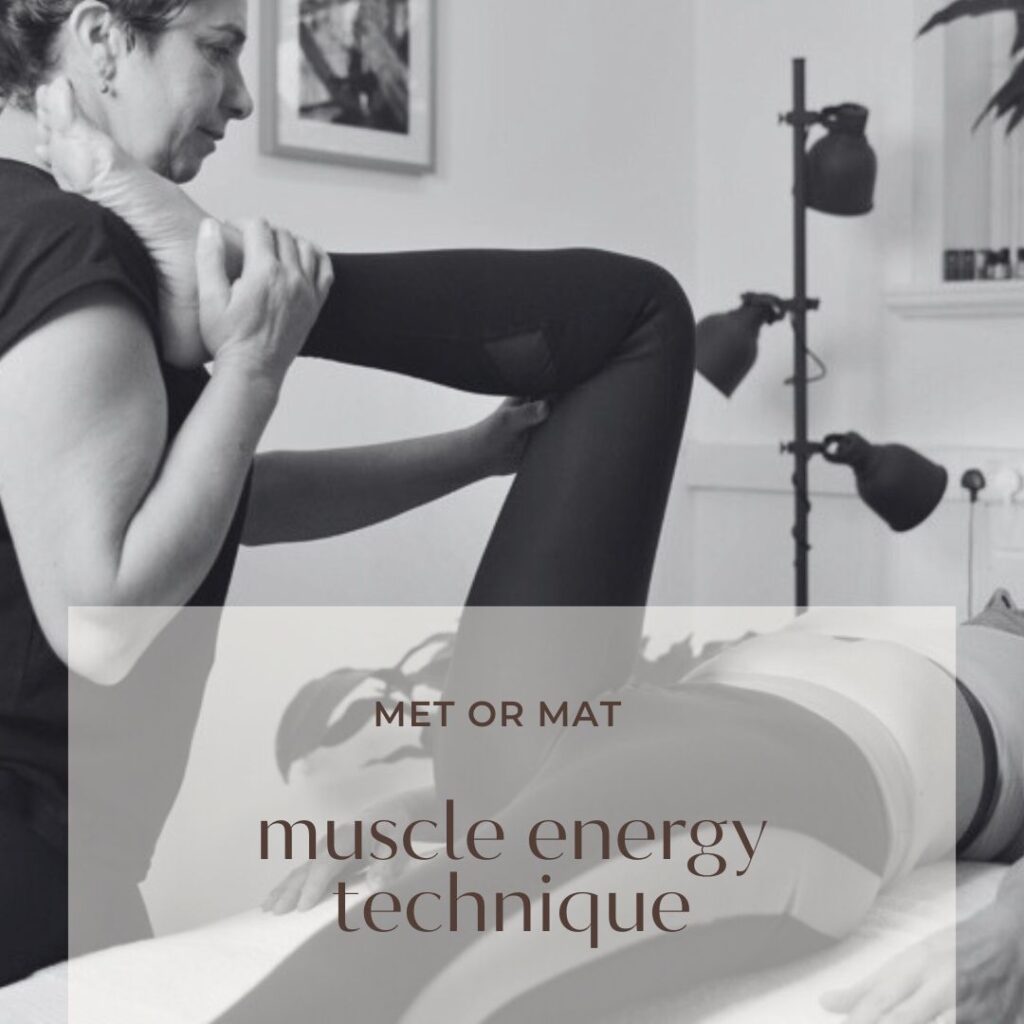
    Muscle Energy Technique

    I use this technique on the “Medical – Manual Therapy”. I learnt this from Osteopaths, sucha as John Gibbons – Bodymaster and Erik Dalton. It is excellent on so many levels!

    1. It challenges your strength and builds up on it.

    2. It demontrates where the weak and strong muscle areas are.

    3. It improves flexibility and range of motion in the joint.

    4. It is ideal for those who can’t let go of their limbs and like to be active and take control!

    5. Reduces muscle tightness and spasms.

    How does it work?

    MET is an active technique, meaning the patient actively contracts their muscles against a controlled resistance provided by the therapist. After the contraction, the muscle is gently stretched to increase flexibility and range of motion.

    Key Mechanisms Behind MET:

    * Post-Isometric Relaxation (PIR):

    When a muscle is actively contracted against resistance, it temporarily increases tension.

    After the contraction, the muscle relaxes, allowing it to stretch further with less resistance.

    * Reciprocal Inhibition:

    When one muscle contracts, the opposing muscle naturally relaxes.

    MET uses this principle by activating the antagonist (opposite) muscle to facilitate relaxation in the tight or restricted muscle.

    This Osteo technique can be found, in Medical – Manual Therapy.